

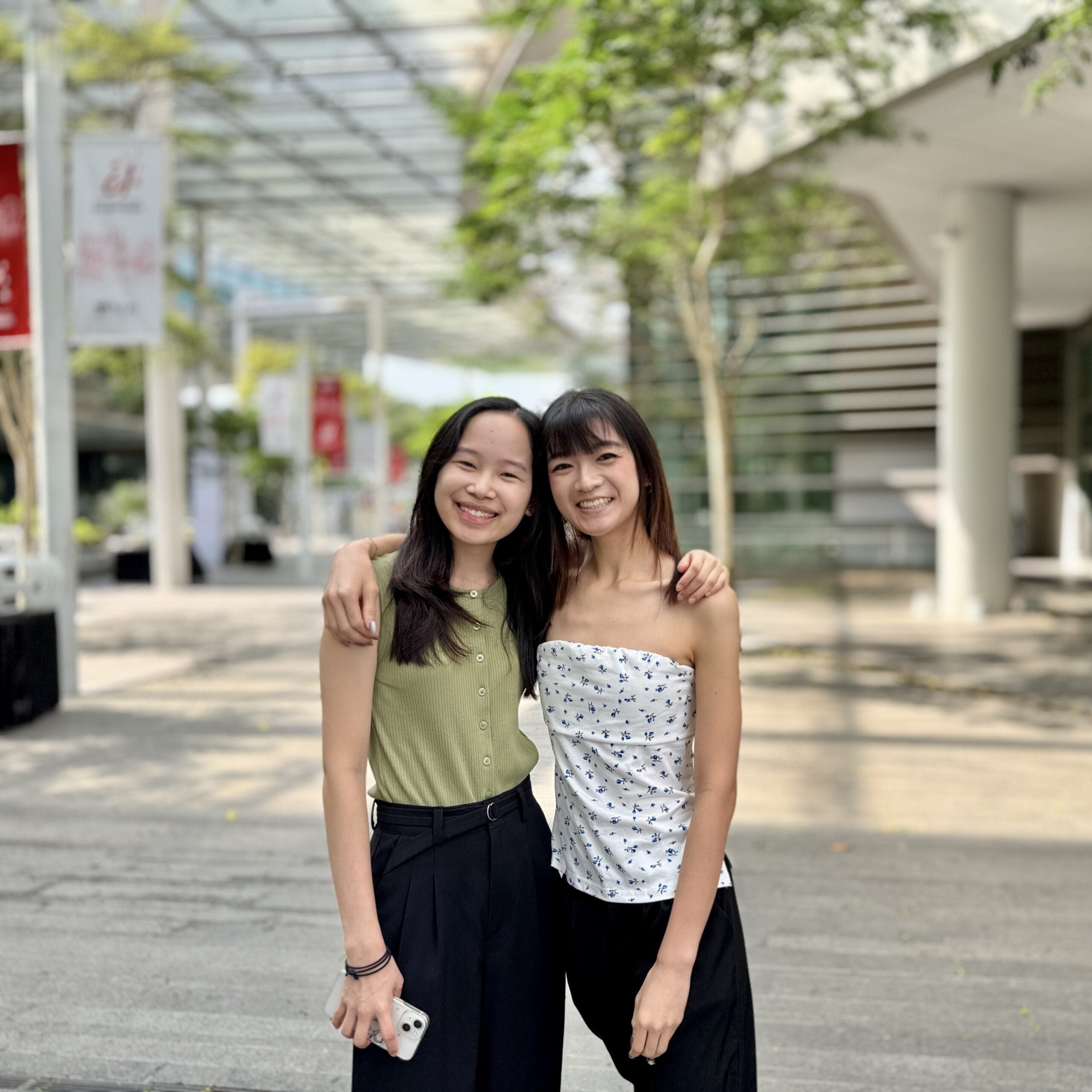
Meet Zoa & Jia Hui
Jia Hui enjoys horror movies and recently watched Mudbound on Netflix. Zoa enjoys taking night walks and is a self-described lover of all kinds of tea. Between horror movies and night walks, one might assume they were obviously adventurous people. Although, as their supervisor found out, it took a while to uncover that side of them.
When Dr Joy Wang first met Jia Hui and Zoa, her initial impression was that they were diligent, thoughtful students who were also very quiet.
As their practicum supervisor, she remembers wondering how to better connect with them. "I complained to a more experienced colleague that I wasn't sure I was getting through to them. He told me they were definitely not shy in his class, which didn't make me feel much better!"
His suggestion was to get coffee with them. Instead, at the next meeting, she brought mooncakes, hoping that food might help break the ice. The mooncakes sat untouched for the entire meeting.
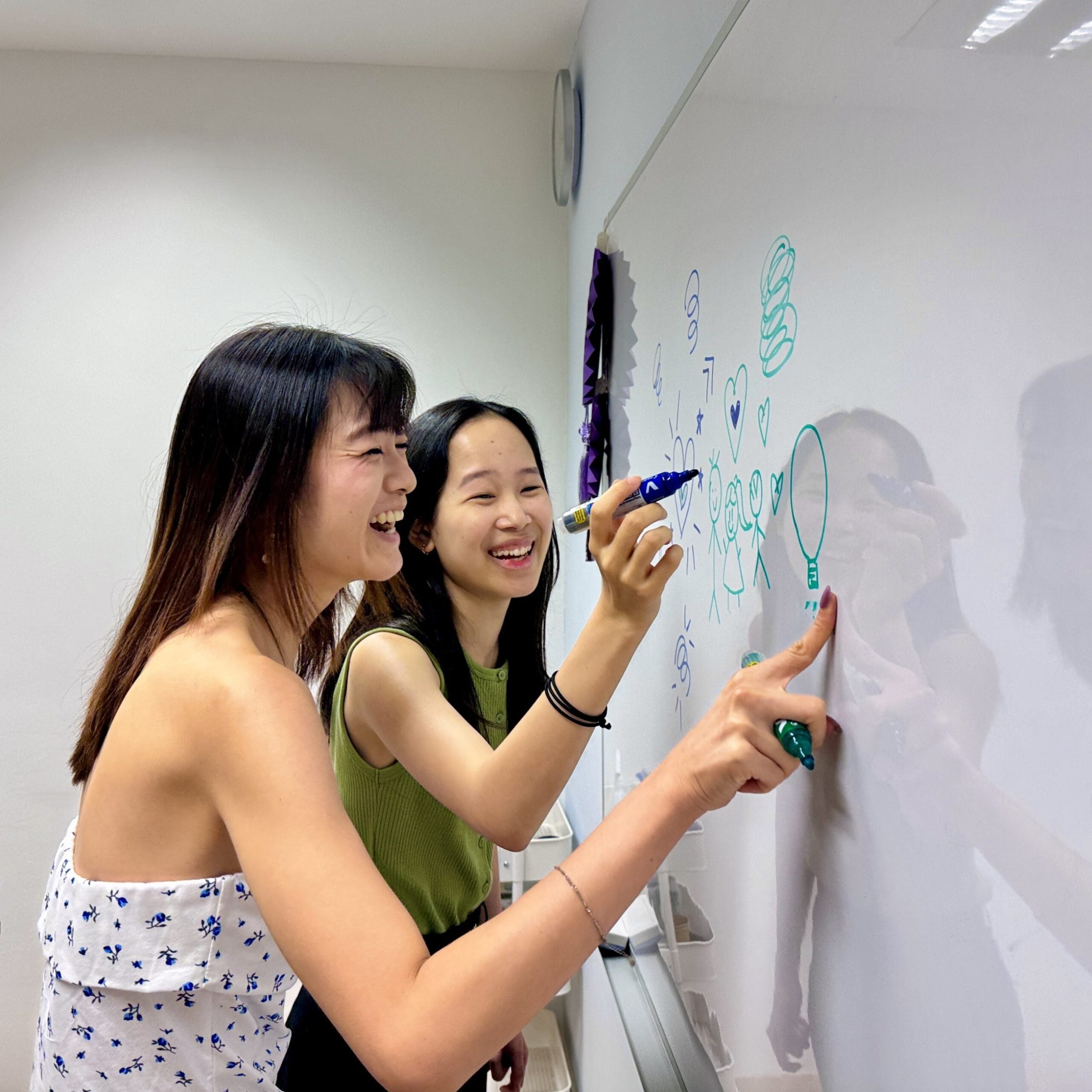
"We did eventually get that coffee though! But I think by that point, after all the ebbs and flows of fieldwork, we already knew each other quite well."
Those ebbs and flows are a particularly important part of the practicum experience. At CTPCLC, students complete a year-long research project in partnership with an external organisation as part of the Minor in Community Development. The practicum is intended to produce work that is both academically rigorous and useful to community partners. Over the years, some students have even gone on to co-author peer-reviewed publications with their supervisors.
For Jia Hui and Zoa, who are both Social Work majors, the journey began where it does for many CLC students: in CLC1101, taught by Dr Kevin Tan. It was there that they first became, in their words, "fascinated by community building" and began to see how a programme focused on communities, organisations, and systems could complement their training as social workers.
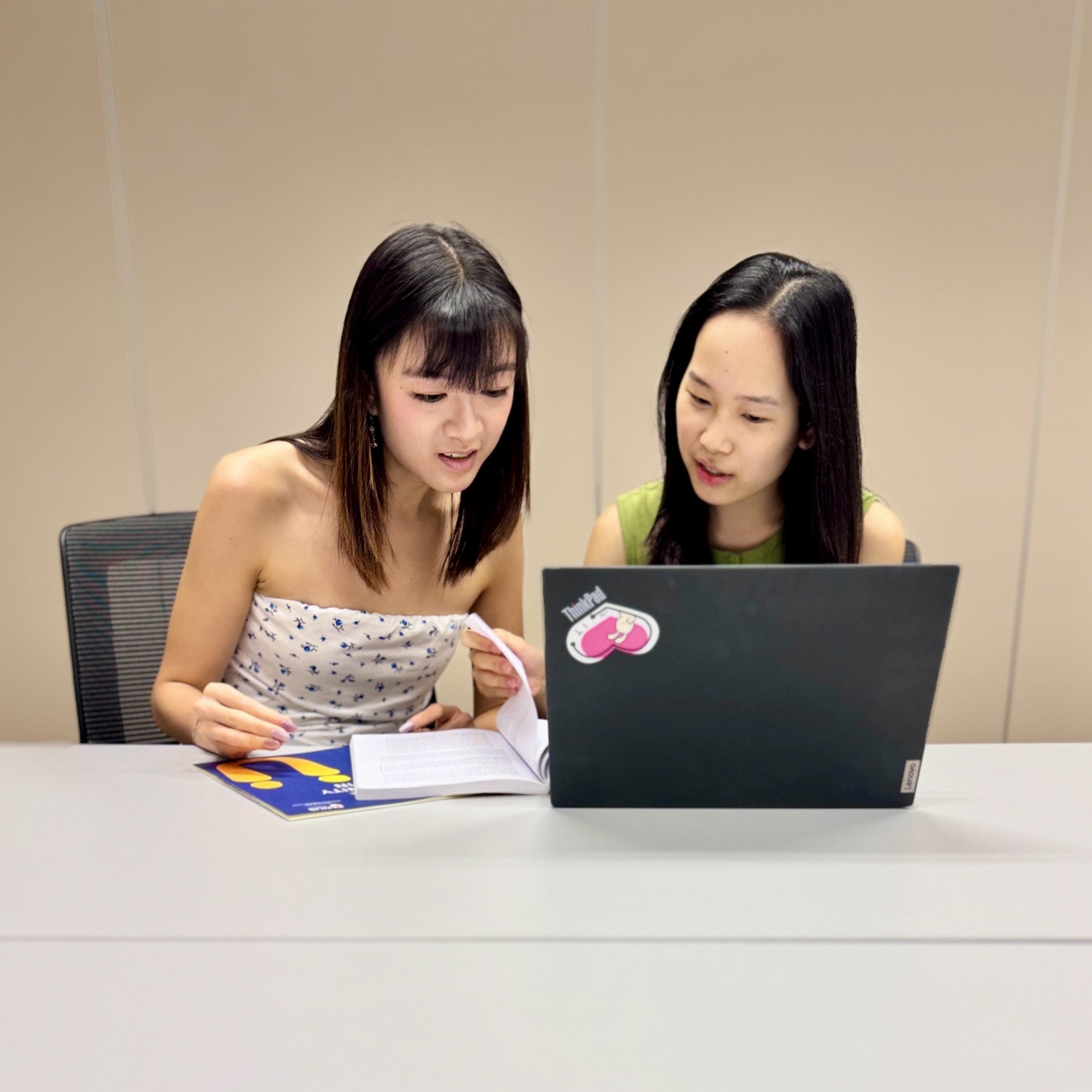
That interest eventually led them to their practicum project with CTPCLC and Majurity Trust, where they explored life within The Foundry, a three-storey shared workspace for social impact organisations. The project required them to grapple with practical ethnographic questions: Where do you begin in such a large space? How do you identify specific floors or sites for sustained observation? They also had to learn how to approach people, start conversations, and balance fieldwork with the many other responsibilities that come with being a student.
What drew them to the project was the opportunity to think at multiple levels simultaneously. Through observations and interviews, they explored how people in different roles experienced The Foundry, how partnerships and collaborations took shape in everyday interactions, and how the design of a shared workspace could both enable and constrain these relationships. In doing so, they came to see that seemingly small moments of cooperation or friction could reveal broader insights into community-building.
Initially, the biggest challenge was that both Zoa and Jia Hui were far more familiar with quantitative approaches to research. They had to learn that “research is not only about identifying patterns, but also about understanding how people make sense of their experiences and the environments they are part of."
Writing the final report brought a different set of challenges. As they put it: “The ethical dimensions of the project felt more real and complex than we had initially anticipated. For instance, we had to think carefully about how to protect participants’ identities and experiences, while still writing in a way that meaningfully reflected what we had learned.”
Their supervisor is very proud of them: "They were calm and collected throughout fieldwork. It is one thing to conduct good fieldwork; it is another thing entirely to present that material well. What really stood out was how willing Zoa and Jia Hui were to reinvent themselves as writers. They were curious, deeply invested, and never defensive about feedback. That's especially important in a practicum, where external partners have taken a leap of faith by granting students access to their organisation. Our partners at The Majurity Trust—especially the brilliant Dr Jin Yao Kwan and Shanya Sadanandan—were incredibly generous throughout the project, and we wanted to make sure that generosity was reflected in the care and rigour with which the students approached their writing."
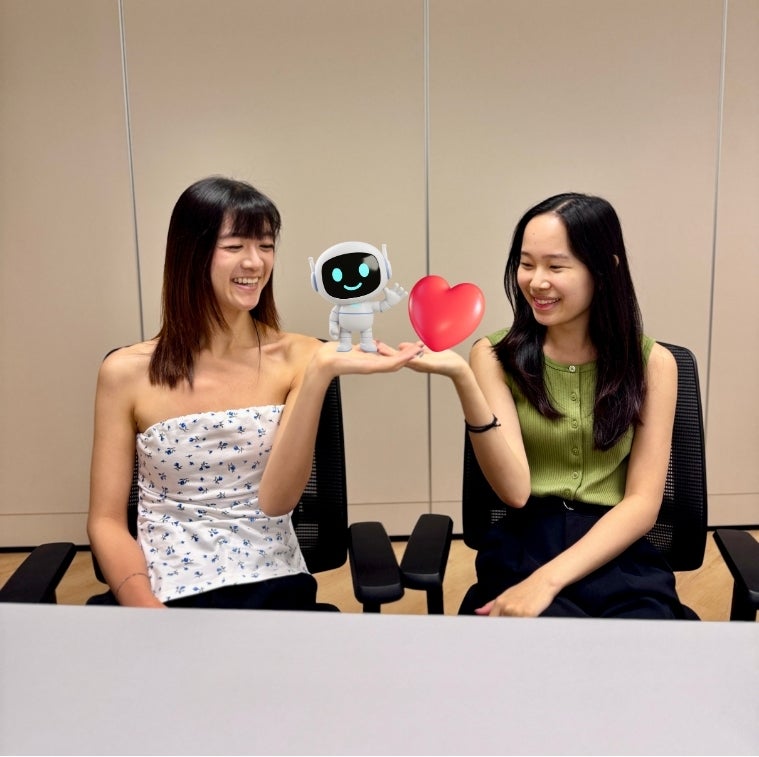
As Zoa and Jia Hui approach graduation, both remain committed to working with people. They are also optimistic about the future, including the role of technology and artificial intelligence.
As future social workers, they point out, "we have to document all our interactions with our clients." Having AI onboard, they believe, "allows us to leverage documentation tools, leaving our time and focus for the client instead." Because, as they insist, "a heart-to-heart connection" is what remains central to their work.
And if they could offer one piece of advice to future cohorts of practicum students?
"Don't be afraid to try new things or talk to new people. The process can get quite messy, but don't worry. Get your hands dirty and focus on having fun. It'll be fulfilling."